
Lunar New Year – also known as Chinese New Year or the Spring Festival – is one of the biggest celebrations on the planet. More than 1.5 billion people join in every year, filling homes and streets with red lanterns, firecrackers, lion and dragon dances, dumplings, rice cakes and plenty of joy.
For Metricon, it’s a special moment we love celebrating alongside our culturally diverse customers and team. And with the Year of the Horse just around the corner, it’s the perfect time to rediscover the meaning behind this vibrant festival.
Lunar New Year doesn’t have a set date
The dates move each year because Lunar New Year follows the moon, not the usual Gregorian calendar. It always lands between mid-January and mid-February, depending on the lunar cycle. In 2026, celebrations kick off on February 17 and run for 15 days, wrapping up with the beautiful Lantern Festival.
Lunar New Year sparks the world’s largest human migration
Family is at the heart of Lunar New Year, and millions of people travel across China and around the world to reunite with loved ones. This incredible movement of people is called Chunyun, and it’s officially the world’s largest annual migration. It is believed that over 2 billion people travel in the lead up to Lunar New Year each year.
Why red is everywhere
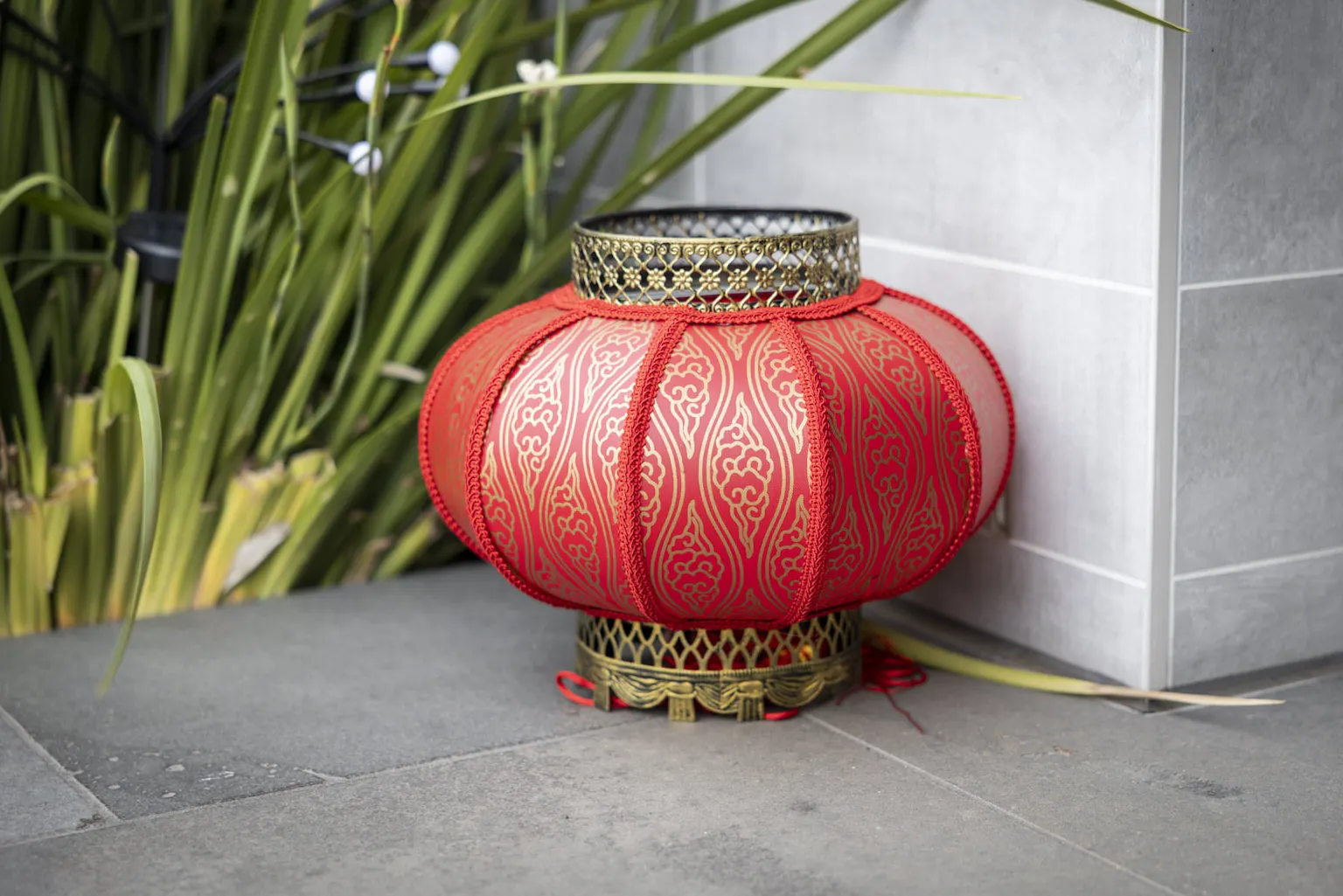
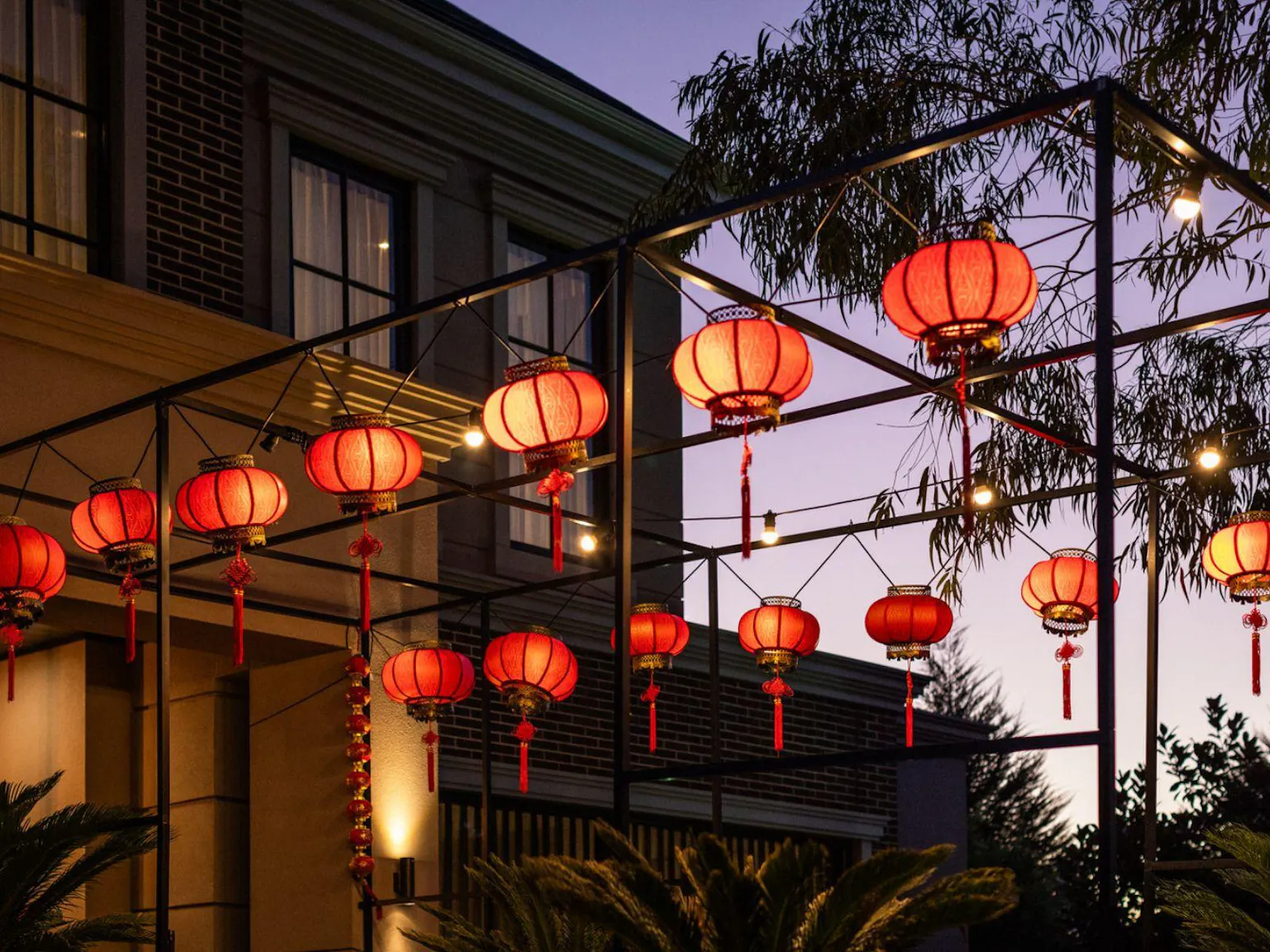
From lanterns to envelopes, red is the colour most closely linked to Lunar New Year. The tradition stems from an old legend about Nian, a fearsome creature said to appear during Spring Festival. As the story goes, villagers eventually discovered two things Nian couldn’t stand: the colour red and loud noises. So they used both - hanging red decorations and setting off firecrackers - to scare him away. It’s why red remains such a dominant colour today, and why New Year’s Eve and New Year’s Day are often filled with the crackle of firecrackers.
The Chinese Zodiac's 12 animals
The zodiac changes each year, rotating through the 12 animals. These animals are Rat, Ox, Tiger, Rabbit, Dragon, Snake, Horse, Goat, Monkey, Rooster, Dog, and Pig. 2026 is the Year of the Horse and next year will be the Year of the Goat. Depending on the year you were born, you’ll have an assigned Chinese zodiac which represents how you are perceived.
Cleaning happens before the Festival, not during
Before the celebrations begin, many families clean their homes from top to bottom to clear away any lingering bad luck. But once the new year arrives, the cleaning tools are put away - at least until the fifth day - to make sure good luck isn’t accidentally swept out the door.
The food you eat throughout the festival matters
Many Spring Festival dishes carry special meaning, and these traditions can vary by region. Take “longevity noodles” (cháng shòu miàn), for example. The toppings you choose can have symbolic significance: eggs represent a big, healthy family, while roasted pork is said to bring peace. Even the length of the noodles matters - the longer the noodle, the longer your life! Some regions suggest not cutting the noodles, and a few even say you shouldn’t chew them… but don’t worry, Metricon fully endorses enjoying your noodles the normal way.
Some people count their age based on how many Lunar New Years
That doesn’t mean they don’t celebrate their birthday, but they don’t turn a year older until the Lunar New Year. Chinese people are considered “one” when they are born, so you can be “two” by February if you’re born in December. It’s becoming more and more common for young people to count their birthday the same way as Western countries do, but some people still stick to traditions.
A moment for reflection
The festival was originally a day of ceremony and praying to gods for a good season of farming. Like many different cultures, ensuring a plentiful harvest was paramount to their survival, so praying to gods and ancestors, as well as doing as much to promote good luck was essential.
新年快乐 (Xīnnián kuàilè!)
Happy Lunar New Year!
Wishing you a bright, joyful and meaningful Year of the Horse.
